

What Is Kundalini Yoga?



One out of six adults reportedly practices yoga. Kundalini yoga sits at a unique intersection within that world — more internally focused than most physical yoga styles, more accessible than most people assume, and more misunderstood than almost any other practice in the West. This guide covers what Kundalini yoga actually is, how it works, what the research shows, and how to learn or teach it.
Yoga promotes mindfulness in its purest form. Kundalini yoga, on the other hand, focuses more on Kundalini energy. Questions about Kundalini, such as the ability levels best suited for this type of yoga, also exist.
If you're considering yoga teacher training, take time to familiarize yourself with different yoga forms, including Kundalini yoga training. Here's everything you need to know.
What Is Kundalini Energy?
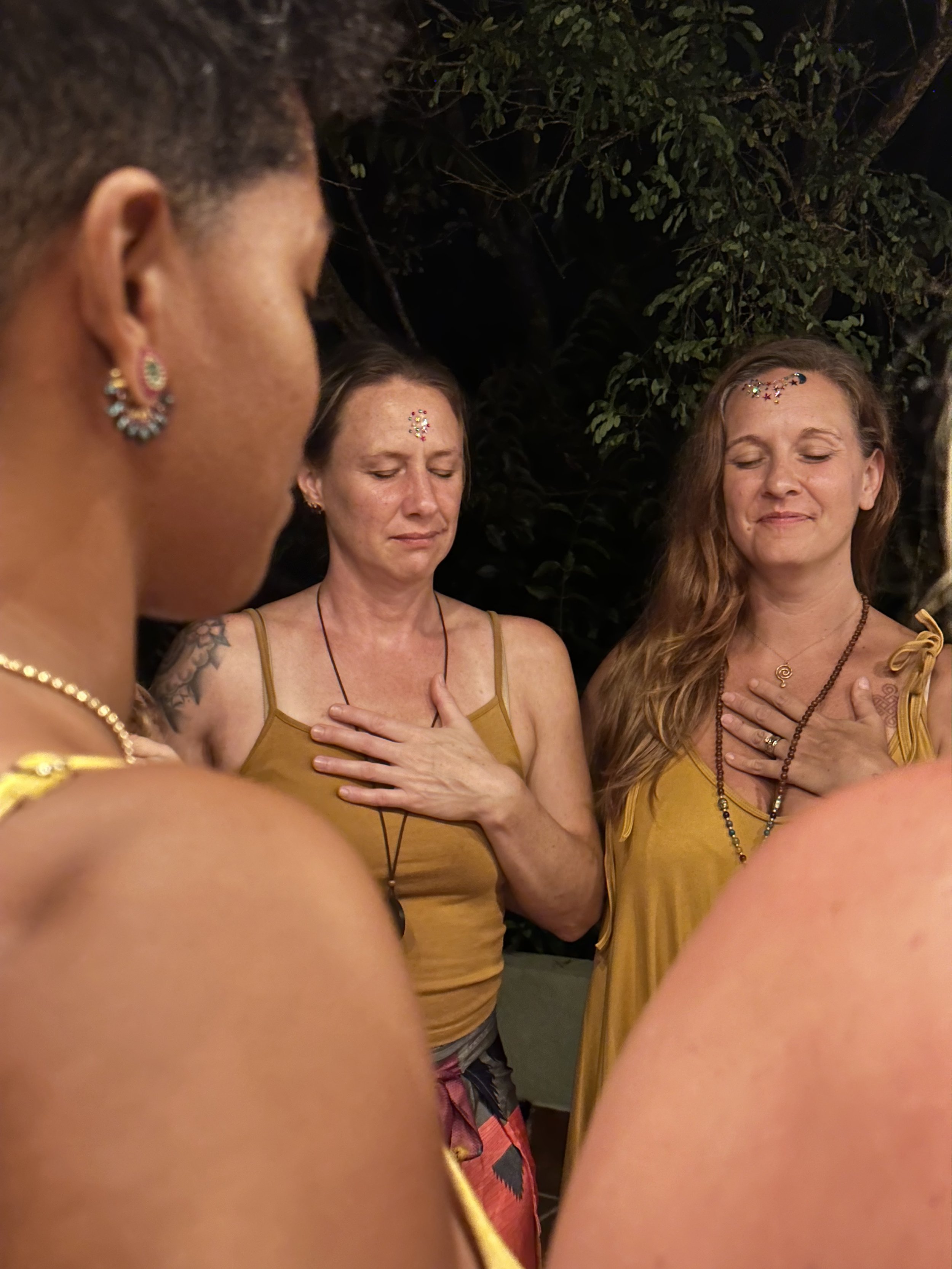
Kundalini energy refers to a form of primal energy described in yogic tradition as residing at the base of the spine. The word itself comes from Sanskrit, meaning coiled. In practice, working with Kundalini energy means using specific techniques to activate and move this energy through the body's energy centers.
Conventional descriptions of Kundalini awakening include experiences of heightened awareness, increased vitality, emotional processing, and a deeper sense of connection. These are the reported experiences of practitioners. Whether understood through a spiritual lens or a nervous system lens, the physiological effects of Kundalini practice on stress regulation and awareness have been subjects of ongoing research.
Yoga instructors working with Kundalini help students navigate this process through chanting, breath control, and visualization techniques. The emphasis at Yoga Farm Ithaca is on grounded, trauma-aware engagement with these tools rather than mystical projection.

Kundalini yoga traces its roots to tantric yoga traditions dating back to at least the eighth century. For most of its history, it was transmitted privately between teacher and student in careful, contained lineages.
In the twentieth century, Yogi Bhajan brought a structured form of Kundalini yoga to North America. It is important to state clearly: Yogi Bhajan has been credibly accused of serious misconduct and abuse. Yoga Farm Ithaca does not endorse him as a guru or a moral authority. We teach Kundalini yoga as a living practice with deep roots that predate and extend beyond any single teacher. The techniques have value independent of the person who systematized them for Western audiences. We teach with that distinction explicitly held.

The History of Kundalini Yoga
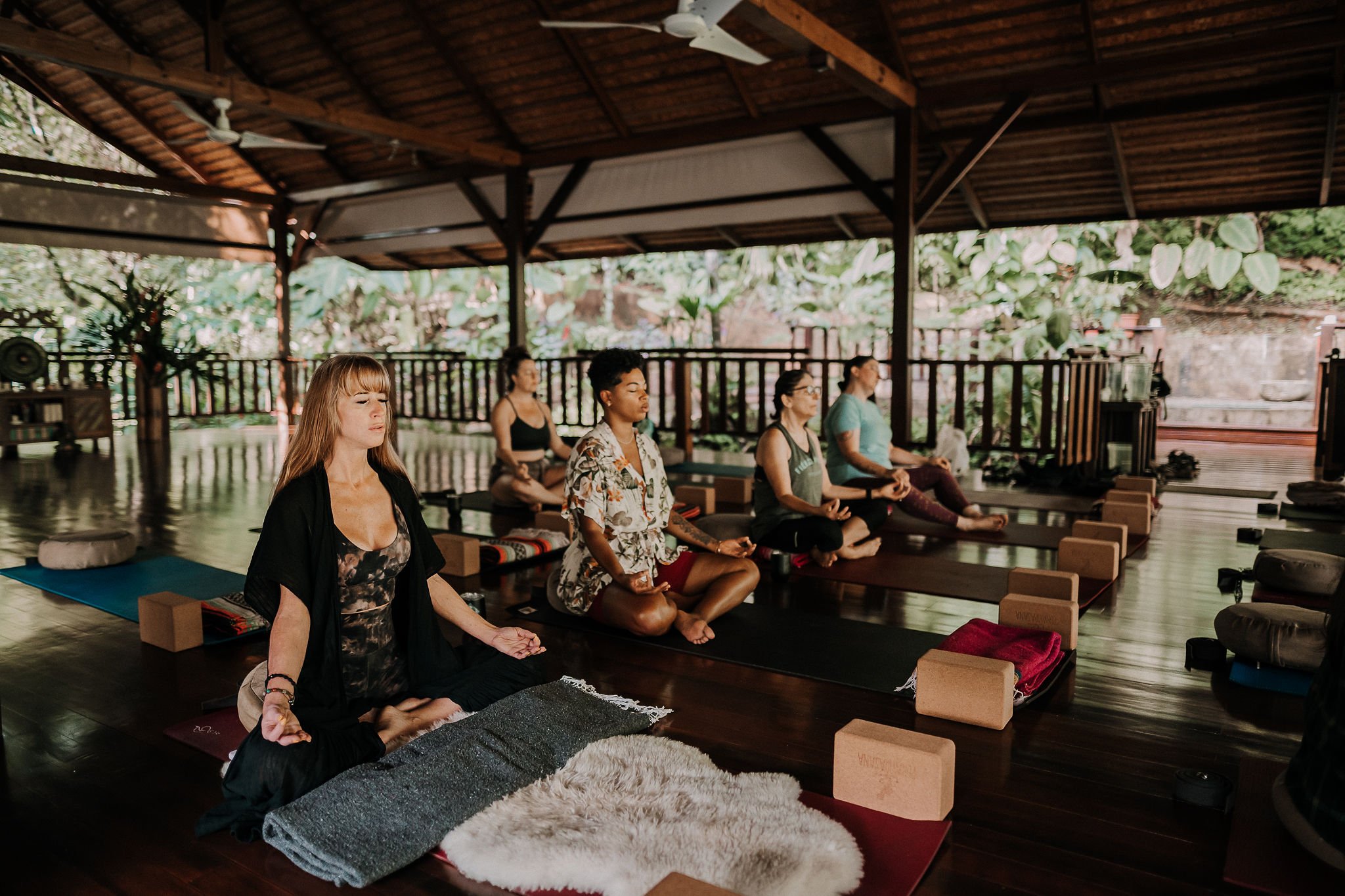
One of the core principles of Kundalini yoga as a practice is integrating body, mind, and spirit — not as an abstract aspiration but as a practical framework for self-awareness and nervous system regulation. When people learn to bring these three into coordination, the results are tangible: better stress responses, deeper self-knowledge, and more grounded relationships with others.
Kundalini yoga uses kriyas, mantras, and breathwork to move through a set of coordinated postures and meditations. It is thousands of years old, and it takes time to understand. That is not a warning — it is an invitation to approach it with patience.
Understanding what Kundalini yoga actually involves makes it far less mysterious. The practice draws on several core elements that work together rather than in isolation.
Kriyas are specific sequences of posture, breath, and sound designed to produce a particular effect on the body and nervous system. Each kriya has a defined purpose — building energy, releasing tension, improving circulation, or deepening meditation.
Breathwork or pranayama is central to Kundalini practice in a way it is not in most physical yoga styles. Breath of fire, long deep breathing, and alternate nostril breathing are among the most commonly used techniques. These are not decorative add-ons — they are functional tools for shifting the state of the nervous system.
Mantra is the use of specific sound vibrations, either internally or aloud. The research on mantra and its effects on stress hormones, heart rate variability, and cognitive function is substantive and growing. At YFI, the mantra is taught as a tool, not a religious requirement.
Mudras are specific hand positions used to direct energy and support focus during meditation and breathwork. They are simple, learnable, and effective as concentration anchors.
Meditation in Kundalini yoga is often active rather than passive — combining breath, movement, and sound rather than stillness alone. This makes it particularly accessible for people who find conventional seated meditation difficult.
For a deeper breakdown of each technique and how to practice them, see our full guide to Kundalini yoga techniques.
How Kundalini Yoga Works: The Core Techniques
The Benefits of Kundalini Yoga: What the Evidence Supports
The benefits attributed to Kundalini yoga in practitioner communities are extensive. What the research actually supports is more specific and worth stating clearly.
Studies on Kundalini yoga and related breathwork practices have found meaningful effects on stress hormone reduction, particularly cortisol. Research on mantra-based meditation has shown measurable impacts on heart rate variability, a key marker of nervous system resilience. Studies on yoga nidra and yogic breathing have documented effects on anxiety, depression, and PTSD symptoms.
The benefit that practitioners most consistently report — and that research increasingly supports — is improved capacity to regulate the nervous system under stress. This is not a mystical claim. It is a physiological one. Practices that train breath, attention, and body awareness simultaneously produce measurable changes in how the nervous system responds to threat and stress.
Additional benefits reported consistently across practitioner communities include improved sleep quality, greater emotional awareness, increased sense of purpose, and stronger community connection. These are harder to quantify but no less real.
The honest framing is this: Kundalini yoga is not a cure, and it is not magic. It is a sophisticated system of practices that, used consistently and skillfully, produces real changes in how people feel and function.
Is Kundalini Yoga Safe? Addressing the Concerns Directly
This is one of the most searched questions about Kundalini yoga and it deserves a direct answer rather than a dismissal.
Kundalini yoga is not inherently dangerous. Like any intensive practice that works with the nervous system, breath, and emotional material, it requires appropriate context, pacing, and guidance. Practiced with a qualified, trauma-informed teacher in a well-structured program, Kundalini yoga is safe for the vast majority of people.
The concerns that drive these searches are real and worth taking seriously. Intensive breathwork can produce strong physical and emotional responses. Moving through suppressed emotional material in a yoga practice can be disorienting without proper support. These are not reasons to avoid the practice — they are reasons to choose your teacher and program carefully.
Kundalini syndrome refers to a cluster of symptoms sometimes reported by practitioners who engage with intensive Kundalini practices without adequate preparation or support. These symptoms are real for the people who experience them. They are also not inevitable and are generally associated with extreme, unsupported practice rather than a well-structured training environment.
At Yoga Farm Ithaca, every program is built on trauma-informed methodology. Choice-based language, nervous system awareness, and the option to modify or step back at any point are built into how we teach. For a full evidence-based breakdown of the safety question, read our complete analysis of Kundalini yoga safety and the most common misconceptions.
Yes. The assumption that Kundalini yoga requires advanced physical ability or prior spiritual experience is one of the most persistent misconceptions about the practice.
A qualified teacher works with beginners by building foundational awareness before introducing more intensive techniques. The physical demands of Kundalini yoga are generally lower than those of vigorous Vinyasa or Ashtanga styles. The meditative and breathwork elements are accessible to people with no prior yoga experience.
What helps beginners most is not physical fitness but willingness to engage inwardly and patience with a learning curve. Some techniques feel unfamiliar at first. That is normal, and it passes.
Working with a trauma-informed teacher is particularly valuable for beginners, as it ensures the practice is introduced in a way that respects individual pace, capacity, and history.
Our free introductory program is the lowest-barrier entry point available. Kundalini 101 is a free, self-paced introduction to the practice — no experience required, no cost, no commitment beyond showing up.
Is Kundalini Yoga for Beginners?
The most meaningful difference between Kundalini yoga and most mainstream yoga styles is their primary focus. Styles like Vinyasa, Hatha, and Ashtanga are primarily organized around physical posture and movement. Kundalini yoga uses the body as a vehicle, but its primary organizing principle is the nervous system, energy, and consciousness.
This means a Kundalini class will typically involve more breathwork, more meditation, more mantra, and less emphasis on physical alignment than a typical Vinyasa class. It is less about how a pose looks and more about what is happening internally while you hold it.
This also means Kundalini yoga is particularly useful for people who are drawn to yoga for mental health, stress management, or spiritual development rather than primarily physical fitness. These populations are not better served by a more physical style — they are better served by exactly what Kundalini offers.
Students who want a foundation in Hatha and Vinyasa alongside Kundalini have options at YFI as well. Our Radiant Warrior training covers Hatha yoga, Vinyasa flow, and mindfulness as a 200-hour certification pathway for those drawn to the more physical styles.
How Does Kundalini Yoga Differ from Other Types of Yoga?
How to Learn Kundalini Yoga
There are several entry points depending on where you are starting from.
For complete beginners, the best first step is a free introductory experience with a qualified teacher. Our Kundalini 101 program is free, self-paced, and designed for people with no prior experience. It introduces the core concepts and techniques without any financial commitment.
For people ready to go deeper into personal practice, our Online Academy membership gives access to ongoing live classes, replays, and community support. This is the right level for someone who wants to practice regularly without committing to a full certification program.
For people ready to teach, the 200-hour Kundalini Warrior certification is the primary pathway. It is Yoga Alliance registered, trauma-informed, online with live components, and priced significantly below industry standard. Over 700 graduates have completed it.
How to Teach Kundalini Yoga
Teaching Kundalini yoga requires a structured certification program registered with Yoga Alliance. The standard entry point is a 200-hour teacher training. A 300-hour advanced training is typically pursued after gaining teaching experience.
The qualities that make a Kundalini yoga teacher effective go beyond technique. Trauma-informed teaching methodology, clear ethical boundaries, and the ability to hold space for students in different states of emotional and physical experience are not optional extras — they are core competencies.
YFI's approach to teacher training emphasizes all of these. The curriculum covers ethics, trauma-informed language, nervous system anatomy, teaching methodology, and business foundations alongside the technical Kundalini content.
For a step-by-step breakdown of the certification pathway, read our guide on how to become a Kundalini yoga instructor.
When you are ready to begin, the Kundalini Warrior 200-hour teacher training is the recommended starting point. For those who have already completed a 200-hour certification, the Spiritual Warrior 300-hour training is the natural next step.
Yes. Yoga Farm Ithaca offers several certification pathways depending on your goals and experience level.
The Kundalini Warrior 200-hour certification is the primary entry point for aspiring teachers. It is fully online with live components, Yoga Alliance registered, trauma-informed, and available at nonprofit pricing.
The Spiritual Warrior 300-hour advanced training is for graduates of a 200-hour program who want to deepen their teaching practice with Kundalini, Ayurveda, and Enneagram studies.
All programs use choice-based language, live office hours, replay access, and community support built into the structure. You can review all available teacher training programs here.
Are There Kundalini Yoga Instructor Programs?

How Does Kundalini Differ From Other Types of Yoga?

Kundalini yoga is one of the most spiritual forms of yoga. It's common for most forms of yoga to focus on breathwork, but Kundalini yoga is all about facilitating a spiritual awakening and enlightenment.
Students focus on:
☀ Singing
☀ Chanting
One of the best things about Kundalini yoga is that it works to balance a person's nervous system. From there, they should be better equipped to handle daily stressors thanks to this form of yoga's relaxation techniques.
Are You Ready to Start Your Journey Into Kundalini Yoga?
Kundalini yoga is a sought-after practice precisely because it addresses what most physical yoga styles do not — the nervous system, the inner landscape, and the integration of practice into everyday life. Teachers trained in this tradition are equipped to serve communities in meaningful ways.
Yoga Farm Ithaca is a 501(c)(3) nonprofit offering Kundalini yoga teacher training online and in person. Our programs are trauma-informed, Yoga Alliance registered, and priced for accessibility. If you have questions about which program fits your situation, reach out to our team directly
When you are ready to take the next step, the Kundalini Warrior training is the place to start.

FAQs
Is Kundalini yoga dangerous? Kundalini yoga is not inherently dangerous. Practiced with a qualified, trauma-informed teacher in a structured program, it is safe for the vast majority of people. Concerns about danger typically relate to intensive, unsupported practice rather than a well-designed training environment.
What does Kundalini yoga feel like? Most practitioners describe a combination of physical sensation, emotional release, and heightened awareness. Some sessions feel energizing, others deeply calming. The experience varies by technique, individual, and practice stage. It rarely feels like a typical physical yoga class.
How long does it take to learn Kundalini yoga? Basic techniques can be introduced in a single class. A meaningful personal practice typically develops over weeks to months of consistent engagement. A 200-hour teacher training takes most students three to six months to complete.
Is Kundalini yoga real? Yes. The practices are real, the physiological effects are measurable, and the tradition is thousands of years old. The mystical framing that surrounds some Kundalini communities is not the same as the practice itself. The two can be separated.
What is Kundalini syndrome? Kundalini syndrome refers to a cluster of physical and psychological symptoms sometimes reported by practitioners engaging in intensive, unsupported Kundalini practices. It is not inevitable and is generally associated with extreme practice contexts rather than structured, supported programs.
Can beginners do Kundalini yoga? Yes. Kundalini yoga does not require prior yoga experience or physical fitness. A qualified teacher introduces techniques progressively and adapts the practice to individual capacity.
How is Kundalini yoga different from other yoga styles? Kundalini yoga prioritizes breathwork, meditation, mantra, and internal awareness over physical posture and alignment. It is less about how a pose looks and more about its effect on the nervous system and consciousness.
Where can I learn Kundalini yoga online? Yoga Farm Ithaca offers free introductory content through Kundalini 101 and a full 200-hour online teacher training for those ready to certify.
How much does Kundalini yoga teacher training cost? Industry average for a 200-hour Kundalini yoga teacher training ranges from $3,000 to $7,000. Yoga Farm Ithaca's Kundalini Warrior program is priced at $1,099 as part of its nonprofit mission to make certification accessible.
Do I need to be spiritual to practice Kundalini yoga? No. Kundalini yoga can be engaged with as a practical system for nervous system regulation, stress management, and self-awareness. A spiritual framework is available for those who want it but it is not a requirement.