
What Is Vinyasa Yoga? Meaning, Benefits, Poses And Guide
For many people, chakra meditation feels supportive because it combines breath, visualization, sound, affirmations, and mindful awareness. You can practice it seated on a cushion, resting in a chair, or lying down before sleep.
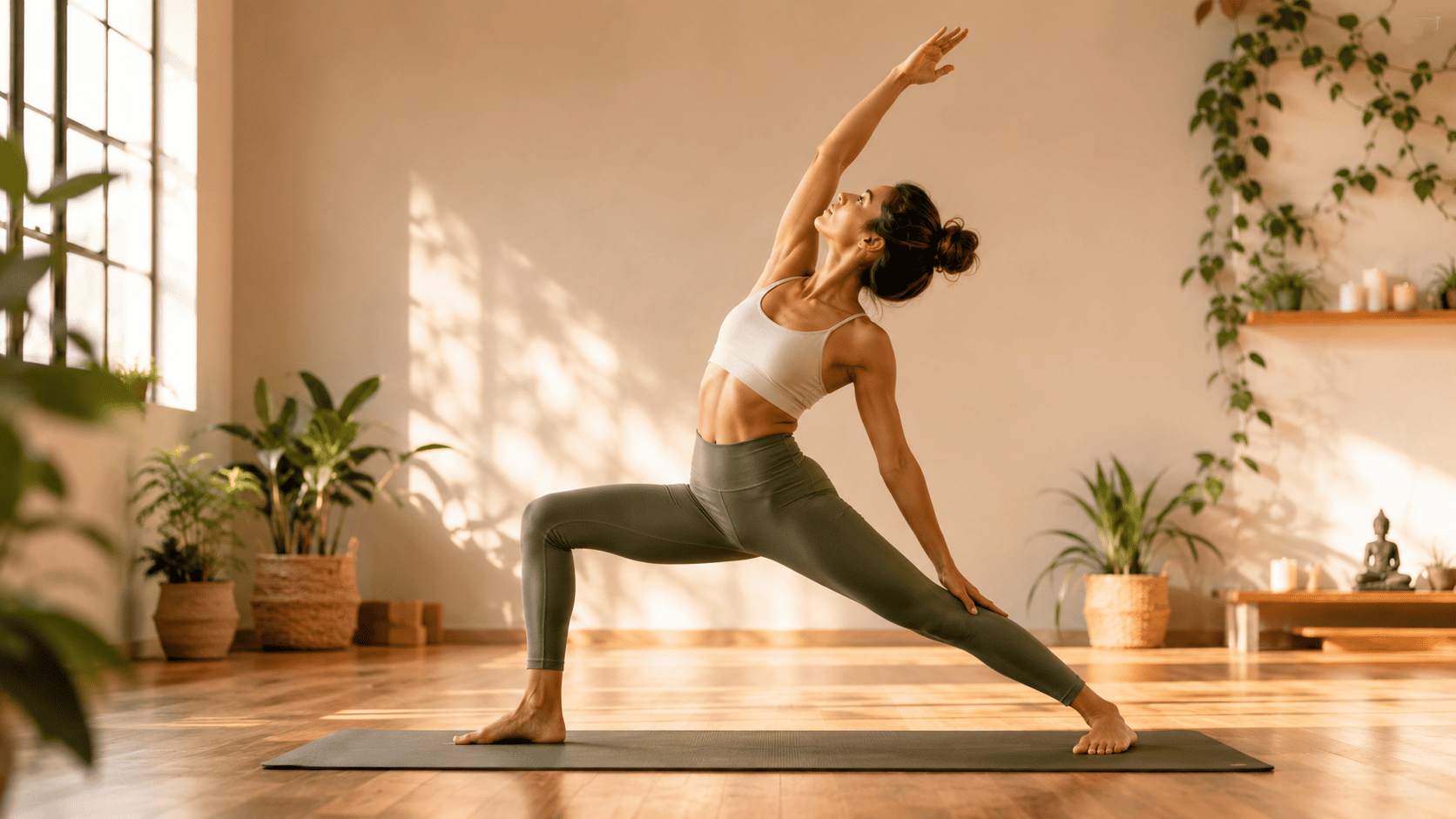
Vinyasa yoga is a dynamic style of yoga that links movement with breath. Instead of holding one pose for a long time and then moving separately into the next, Vinyasa creates a flowing sequence where each posture connects to the next through steady breathing.
This is why Vinyasa is often called Flow Yoga. The class may feel rhythmic, creative, strengthening, calming, or deeply meditative, depending on the teacher, pace, and intention behind the sequence.
For many students, Vinyasa is one of the most accessible ways to experience yoga as both movement and mindfulness. It builds heat in the body, supports strength and flexibility, and gives the mind one clear anchor: the breath.
What Does Vinyasa Mean?
The word Vinyasa is often translated as “to place in a special way.” In a yoga practice, this means the poses are not random. They are arranged with intention, breath, energy, and purpose.
A Vinyasa class may begin slowly, build toward stronger standing postures, include flowing transitions, and then soften into seated stretches or rest. The order matters because each part of the practice prepares the body and mind for what comes next.
Vinyasa also teaches that the space between poses matters. The transition from one shape to another is not just a way to get somewhere else. It becomes part of the practice itself.
How Vinyasa Yoga Works
Vinyasa yoga works by connecting breath, movement, sequence, and attention. Each part of the practice is designed to help the body move with more awareness instead of simply changing shapes.
In many Vinyasa classes, the breath sets the rhythm. You may inhale as you lift your arms, lengthen the spine, open the chest, or rise into a posture. You may exhale as you fold forward, lower down, twist, step back, or soften into a deeper expression of a pose.
This does not mean every class moves quickly. A slow Vinyasa class can give students time to feel each transition, notice the breath, and move with care. A stronger Vinyasa class may build more heat, stamina, and cardiovascular effort, but the breath should still remain central.
Breath Guides The Movement
The breath is the foundation of Vinyasa yoga. When students move with the breath, the practice becomes more than exercise. It becomes a way to train attention.
A steady breath can help students understand when to move, when to pause, and when to rest. If the breath becomes strained, shallow, or rushed, that may be a sign to slow down or modify the movement.
This is one reason Vinyasa can feel meditative. The mind has a simple place to return again and again: inhale, exhale, move, notice, return.
Sequencing Creates The Flow
Vinyasa classes are usually built through intentional sequencing. A teacher may begin with grounding, move into warm-ups, build toward standing postures, and then gradually slow the body down before final rest.
The sequence may focus on a physical theme, such as hips, shoulders, balance, core, backbends, or twists. It may also focus on an emotional or spiritual theme, such as patience, courage, grounding, release, gratitude, or self-trust.
Good sequencing helps the body prepare safely. For example, a class that builds toward backbends may first warm the spine, open the chest, activate the legs, and strengthen the back body.
Transitions Matter As Much As Poses
In Vinyasa yoga, the movement between postures is part of the practice. How you step forward, lower down, rise, fold, pause, and breathe matters.
This can shift the way students understand yoga. Instead of treating poses as goals, Vinyasa invites students to notice the whole journey. The practice becomes less about arriving perfectly and more about moving consciously.
This is also where students can practice choice. A transition can be modified, slowed down, skipped, or replaced. The body does not need to follow one rigid path to receive the benefits of yoga.
The Pace Can Change
Vinyasa is not one single pace. Some classes are slow and spacious. Others are strong, sweaty, and fast-moving.
A slow-flow class may hold poses for several breaths while still linking movement with breath. A power-style Vinyasa class may move more continuously and include more strength work.
The best pace depends on the student, the teacher, and the intention of the class. Beginners often benefit from a slower pace because it gives them time to understand the poses and transitions.
What Does “Take A Vinyasa” Mean?
In many yoga classes, the teacher may say, “take a Vinyasa.” This usually refers to a specific transition sequence that moves from Plank to Chaturanga, then to Upward-Facing Dog or Cobra, and finally to Downward-Facing Dog.
This sequence is common, but it is not required every time. Beginners and experienced students alike can modify it.
You might choose:
Knees-down Plank instead of full Plank
Cobra instead of Upward-Facing Dog
Child’s Pose instead of Chaturanga
Downward-Facing Dog without lowering through the full sequence
A pause for breath before rejoining the flow
A trauma-informed and accessible approach to yoga honors choice. If a transition does not feel right in your body, skipping or modifying it is still yoga.
What To Expect In A Vinyasa Yoga Class
A Vinyasa class usually begins with grounding. This may include seated breathing, gentle movement, intention-setting, or a few moments of quiet awareness.
From there, the class often moves into warm-ups and Sun Salutations. These help build heat, awaken the body, and introduce the rhythm of breath and movement.
The middle of class may include standing poses, lunges, Warriors, balancing shapes, core work, or a sequence built around a theme. Because Vinyasa does not follow one fixed order, every class can feel different.
Toward the end, the pace usually slows. You may move into seated postures, hip openers, twists, forward folds, or gentle backbends before resting in Savasana.
A full Vinyasa class often includes:
Breath awareness
Warm-up movement
Sun Salutations
Standing poses
Flowing transitions
Balance work
Seated stretches
Cool down
Final rest
This variety is one reason many students enjoy Vinyasa. It can support energy, focus, creativity, and self-discovery in one practice.
Common Vinyasa Yoga Poses
Vinyasa yoga can include many postures, but some poses appear often because they help create rhythm, strength, mobility, and flow. These poses may be practiced in different ways depending on the class level and the teacher’s approach.
The most important thing to remember is that Vinyasa poses are not meant to be performed perfectly. They are meant to be explored with breath, attention, and respect for the body.
Mountain Pose
Mountain Pose, or Tadasana, often begins a standing sequence. It may look simple from the outside, but it teaches grounding, posture, breath awareness, and steadiness.
In Vinyasa, Mountain Pose helps students arrive in the body before movement begins. It can also become a reset point between flowing sequences.
Forward Fold
Forward Fold, or Uttanasana, helps release the back body and creates a transition between standing and floor-based movement. It often appears in Sun Salutations and warm-up sequences.
Students can bend the knees generously in Forward Fold. The goal is not to force the hands to the floor, but to soften the spine, release tension, and breathe.
Half Lift
Half Lift, or Ardha Uttanasana, is often practiced between Forward Fold and Plank. It lengthens the spine, activates the back body, and prepares the body to step or float back.
This pose teaches students how to create space through the chest and spine before moving into stronger transitions. It can be practiced with hands on shins, thighs, blocks, or the floor.
Plank Pose
Plank builds strength in the core, arms, shoulders, legs, and back. It often appears before Chaturanga, but it can always be modified with the knees down.
A strong Plank is not about holding tension everywhere. It asks for steady breath, active support, and awareness through the whole body.
Chaturanga
Chaturanga is a low push-up style posture that requires strength, stability, and shoulder awareness. It is common in Vinyasa, but it should never be rushed or forced.
Many students benefit from lowering the knees or skipping Chaturanga altogether. Practicing fewer Chaturangas with better support is often safer than repeating them when the body is tired.
Cobra Pose
Cobra Pose, or Bhujangasana, is a gentle backbend that opens the chest and strengthens the back body. It is often used as a beginner-friendly alternative to Upward-Facing Dog.
In Cobra, the legs stay on the floor and the elbows can remain bent. This makes it a helpful choice for students who want a softer transition.
Upward-Facing Dog
Upward-Facing Dog, or Urdhva Mukha Svanasana, is a stronger backbend that lifts the thighs and chest away from the floor. It opens the front body and builds strength through the arms and legs.
This pose requires awareness in the wrists, shoulders, spine, and lower back. Students can choose Cobra instead whenever Upward-Facing Dog feels too intense.
Downward-Facing Dog
Downward-Facing Dog, or Adho Mukha Svanasana, is one of the most recognizable Vinyasa poses. It strengthens the arms and legs while creating length through the spine.
In a flow class, Downward-Facing Dog often becomes a resting or resetting posture. Students can bend the knees, shorten the stance, or come into Child’s Pose if needed.
Warrior I
Warrior I builds strength through the legs while opening the front body. It often appears in Sun Salutations and standing sequences.
This pose can teach focus, stability, and lift. Students can adjust the stance to protect the knees and support balance.
Warrior II
Warrior II is a strong standing pose that builds stamina, grounding, and concentration. It opens the hips and strengthens the legs.
In Vinyasa, Warrior II often becomes part of a larger standing flow with side angles, triangles, lunges, and balancing transitions.
Child’s Pose
Child’s Pose is one of the most important postures in Vinyasa yoga. It gives students a place to rest, pause, and return to steady breathing.
This pose is not a sign of weakness. It is a wise choice when the body needs softness, space, or nervous-system support.
Benefits Of Vinyasa Yoga
Vinyasa yoga offers physical, mental, and emotional benefits. The experience depends on the pace of the class, the teacher’s approach, and how consistently you practice.
Some people come to Vinyasa for movement and strength. Others come for stress relief, breath awareness, or a more embodied relationship with themselves.
Builds Strength
Vinyasa uses bodyweight movement to build strength. Plank, Chaturanga, lunges, standing poses, and balancing postures all ask the body to stabilize and support itself.
Over time, students may notice stronger arms, legs, core, shoulders, and back. Strength develops through repetition, mindful transitions, and consistent practice.
Improves Flexibility And Mobility
Because Vinyasa includes both movement and stretching, it can support flexibility and mobility. The body gradually warms up before moving into deeper postures.
This can feel different from stretching while cold or forcing a pose. A mindful flow helps students explore range of motion with breath, patience, and awareness.
Supports Cardiovascular Fitness
Vinyasa can raise the heart rate, especially in classes with continuous movement and repeated Sun Salutations. Stronger flows may feel energizing and physically demanding.
Not every Vinyasa class is a workout, and it does not need to be. Still, the flowing nature of the practice can support stamina and endurance.
Reduces Stress
Vinyasa can become a moving meditation. The mind has something steady to follow: inhale, move, exhale, move.
This focus can help students feel more grounded and less scattered. The practice invites attention back to the body, breath, and present moment.
Builds Body Awareness
Vinyasa teaches students to notice effort, ease, breath, balance, fatigue, and choice. This awareness can support a more respectful relationship with the body.
Instead of asking, “How deep can I go?” Vinyasa can invite a softer question: “What is my body asking for today?”
Is Vinyasa Yoga Good For Beginners?
Vinyasa yoga can be good for beginners, but the type of class matters. A beginner, gentle flow, slow flow, or foundations class is usually a better starting point than a heated, advanced, or power-style class.
New students do not need to know every pose before attending. A good teacher will offer clear cues, modifications, and space to rest.
Beginners should remember that they are allowed to slow down. They can take Child’s Pose, skip Chaturanga, use blocks, lower the knees, or pause whenever needed.
For students who want a more supported foundation, online yoga teacher training can offer deeper education in poses, breath, sequencing, and safe practice, even for people who are not sure they want to teach yet.
Is Vinyasa Yoga Hard?
Vinyasa yoga can be easy, moderate, or challenging. The difficulty depends on the pace, teacher, sequence, class level, room temperature, and your own body on that day.
A slow Vinyasa class may feel spacious and accessible. A Power Vinyasa class may feel intense, sweaty, and athletic.
The practice becomes safer and more sustainable when students stay connected to the breath. If the breath becomes strained or the body feels overwhelmed, that is a sign to slow down, modify, or rest.
Vinyasa is not meant to prove toughness. It is meant to build awareness through movement.
Vinyasa Yoga Vs Hatha Yoga
Hatha Yoga and Vinyasa Yoga are closely related, but they usually feel different in class.
Hatha classes are often slower and more static. Students may hold poses longer, focus on alignment, and have more time to understand each shape.
Vinyasa classes usually move more continuously. The poses are linked through breath, and the class often has a stronger sense of rhythm and flow.
Hatha may be better for students who want a slower introduction to postures. Vinyasa may be better for students who enjoy movement, creativity, and breath-led transitions.
A complete practice can include both. Yoga Farm’s Radiant Warrior training includes Hatha, Vinyasa, mindfulness, breathwork, accessibility, and trauma-informed teaching methods.
Vinyasa Yoga Vs Ashtanga Yoga
Ashtanga Yoga and Vinyasa Yoga both connect breath and movement, but they are not the same.
Ashtanga follows a set sequence of postures. Students practice the same series in the same order, often with a strong physical structure and traditional rhythm.
Vinyasa is more flexible. Teachers can create different sequences for different themes, students, goals, or energy levels.
This creative freedom makes Vinyasa adaptable. A teacher may design a class around hip mobility, heart opening, balance, grounding, strength, grief, joy, or seasonal energy.
Vinyasa Yoga Vs Power Yoga
Power Yoga is often a stronger, fitness-oriented expression of Vinyasa. It usually emphasizes stamina, strength, sweat, and athletic movement.
Vinyasa can be powerful too, but it does not have to be intense. It can be slow, devotional, meditative, gentle, or therapeutic, depending on how it is taught.
The difference often comes down to intention. Power Yoga may focus more on physical challenge. Vinyasa can hold a wider range of experiences, from strong movement to mindful embodiment.
Is Vinyasa Yoga Spiritual?
Vinyasa yoga can be spiritual, but it does not have to be religious or dogmatic. For many students, the spiritual part of Vinyasa comes through breath, presence, intention, and self-awareness.
A Vinyasa practice can remind you that transitions matter. How you move from one pose to the next can reflect how you move through change, discomfort, effort, and rest in daily life.
The spiritual side of Vinyasa may include mindfulness, gratitude, mantra, meditation, ritual, or simply the quiet act of listening inward.
Yoga Farm’s broader approach to practice includes spiritual wellbeing, inspired service, lifelong learning, and inclusive community. This makes Vinyasa more than a sequence of poses. It can become a way to return to connection, purpose, and kindness.
Who Should Avoid Or Modify Vinyasa Flow?
Vinyasa is adaptable, but not every version is right for every body. Some students may need a slower class, more modifications, or guidance from a qualified health professional.
People may want to modify or pause Vinyasa if they are dealing with:
Acute injury
Wrist, shoulder, knee, or back pain
Dizziness or balance concerns
Pregnancy without prenatal-safe modifications
Recovery from surgery
Cardiovascular concerns
High fatigue or burnout
A nervous system that feels overwhelmed by fast-paced movement
This does not always mean avoiding yoga completely. Gentle yoga, chair yoga, restorative yoga, Hatha, or slow-flow classes may feel more supportive.
Students looking for an accessible path can explore chair yoga as a way to understand movement, breath, props, and modifications without needing a fast-paced mat practice.
Can Vinyasa Yoga Help With Weight Loss Or Toning?
Vinyasa yoga can support weight management and muscle tone as part of a wider lifestyle. Because it includes repeated movement, standing postures, balancing poses, and bodyweight strength, it can build stamina and muscular endurance.
However, Vinyasa should not be reduced to weight loss. Yoga is not only about changing how the body looks.
A steady practice can also support stress regulation, sleep habits, body awareness, emotional balance, and a kinder relationship with yourself. These benefits often matter just as much as physical results.
If your goal is strength or toning, consistency is more important than intensity. A few mindful classes each week can be more sustainable than pushing too hard and burning out.
How Often Should You Practice Vinyasa Yoga?
Beginners can start with one or two Vinyasa classes per week. This gives the body time to adapt and helps students build confidence with the breath, poses, and transitions.
Students who feel comfortable may practice two to three times per week. More experienced students may practice more often, especially when they balance stronger classes with rest, walking, gentle yoga, or restorative practices.
A sustainable rhythm might look like this:
1 to 2 times per week for beginners
2 to 3 times per week for consistency
3 to 5 times per week for experienced students
Gentle or restorative practices between stronger flow classes
More is not always better. The body learns through practice, rest, and integration.
How To Start Vinyasa Yoga Safely
Starting Vinyasa yoga does not require perfect flexibility, strength, or experience. It helps to begin with curiosity and patience.
Choose a class labeled beginner, gentle, slow flow, or foundations. These classes usually move at a pace that gives you time to understand the transitions.
Arrive early if you are practicing in person, or log in early if you are practicing online. This gives you time to settle, ask questions, and gather props.
During class, listen to your breath. If you cannot breathe steadily, slow down. If something hurts, stop. If you feel tired, rest.
Helpful beginner reminders include:
Tell the teacher you are new
Keep knees down in Plank if needed
Choose Cobra instead of Upward-Facing Dog
Skip Chaturanga when tired
Use blocks under the hands
Take Child’s Pose anytime
Let the breath guide the pace
Choose safety over appearance
The best Vinyasa practice is not the one that looks most advanced. It is the one that helps you stay present, responsive, and connected.
How Vinyasa Yoga Connects To Teaching
Many students begin Vinyasa as a personal practice and later feel called to teach. Teaching Vinyasa requires more than knowing poses.
A teacher needs to understand sequencing, pacing, anatomy, breath, cueing, accessibility, and how to hold space for different bodies and nervous systems.
A thoughtful Vinyasa teacher asks important questions. How does one pose prepare for the next? Where can students rest? Which transitions are optional? How can language support choice instead of pressure?
These questions are central to trauma-informed yoga education. The teacher is not only leading movement. The teacher is shaping an environment where students can practice with agency.
Yoga Farm’s certification pathway includes movement, mindfulness, accessibility, teaching skills, and community support for students who want to deepen their practice or become teachers. The 200-hour training is especially aligned with students interested in Hatha and Vinyasa foundations.
How Yoga Farm Approaches Vinyasa Yoga
Yoga Farm approaches yoga as a practice of healing, purpose, service, and lifelong learning. Vinyasa fits naturally into this larger vision when it is taught with care.
A Vinyasa class can be strong without being forceful. It can be structured without being rigid. It can be spiritual without being dogmatic. It can invite discipline while still honoring rest.
This approach matters because many students arrive with different bodies, histories, abilities, and relationships to movement. Some want strength. Some want stress relief. Some want spiritual connection. Some want to feel safe in their bodies again.
Yoga Farm’s trauma-informed lens helps make Vinyasa more accessible. Instead of treating every student the same, the practice makes room for choice, modification, breath, and self-trust.
The broader Yoga Farm community also supports students beyond single classes. Through online membership, students can access yoga, meditation, workshops, office hours, and continuing practice in a supportive learning environment.
Final Thoughts On Vinyasa Yoga
Vinyasa yoga is a breath-led flow practice that connects movement, awareness, strength, and presence. It can be athletic, gentle, meditative, spiritual, creative, or grounding, depending on how it is practiced.
Beginners can start with slow-flow or foundations classes. Experienced students can use Vinyasa to build stamina, refine transitions, and deepen breath awareness.
The heart of Vinyasa is not speed or performance. It is the mindful relationship between one moment and the next.
When practiced with care, Vinyasa becomes more than movement. It becomes a way to listen, breathe, choose, soften, strengthen, and return to yourself.
Frequently Asked Questions
Is Vinyasa Yoga Ok For Beginners?
Yes, Vinyasa yoga can be beginner-friendly when the class is labeled beginner, gentle, slow flow, or foundations. New students should move at their own pace, rest when needed, and skip advanced transitions until they feel ready.
What Is The Difference Between Vinyasa Yoga And Normal Yoga?
Vinyasa is a specific style of yoga where poses flow together with the breath. General yoga classes may be slower, more static, more restorative, or based on a different tradition.
Who Should Avoid Vinyasa Flow?
People with acute injuries, wrist or shoulder pain, dizziness, pregnancy without proper modifications, recovery from surgery, or certain health concerns may need to modify Vinyasa or choose a slower class. A qualified health professional can offer guidance when needed.
Is Vinyasa Yoga Harder Than Normal Yoga?
Vinyasa can feel harder than slower yoga styles because it often includes continuous movement, Plank, Chaturanga, standing poses, and balance work. Slow-flow Vinyasa can still be accessible for many beginners.
Is Vinyasa Yoga Good For Weight Loss?
Vinyasa yoga can support weight management as part of a healthy lifestyle because it builds movement consistency, strength, stamina, and body awareness. It works best when combined with balanced daily habits.
How Many Times A Week Should I Do Vinyasa Yoga?
Beginners can start with one or two classes per week. Students who feel comfortable may practice two to three times per week. Experienced students may practice more often when they include rest and recovery.
Can You Get Toned From Vinyasa Yoga?
Yes, Vinyasa can help tone the body because many poses use bodyweight strength. Plank, Chaturanga, Chair Pose, Warrior poses, and balancing postures can build strength with consistent practice.
Is Vinyasa Yoga Spiritual?
Vinyasa yoga can be spiritual when practiced with breath, intention, mindfulness, and self-awareness. It can also be practiced as movement and exercise. The experience depends on the teacher, class style, and student intention.
What Are Common Vinyasa Yoga Poses?
Common Vinyasa poses include Mountain Pose, Forward Fold, Half Lift, Plank, Chaturanga, Cobra, Upward-Facing Dog, Downward-Facing Dog, Warrior I, Warrior II, Chair Pose, and Child’s Pose.
What Is The Difference Between Vinyasa And Hatha Yoga?
Hatha yoga usually holds poses longer and moves at a slower pace. Vinyasa yoga links poses together in flowing sequences guided by breath. Hatha often feels steadier, while Vinyasa usually feels more dynamic.