
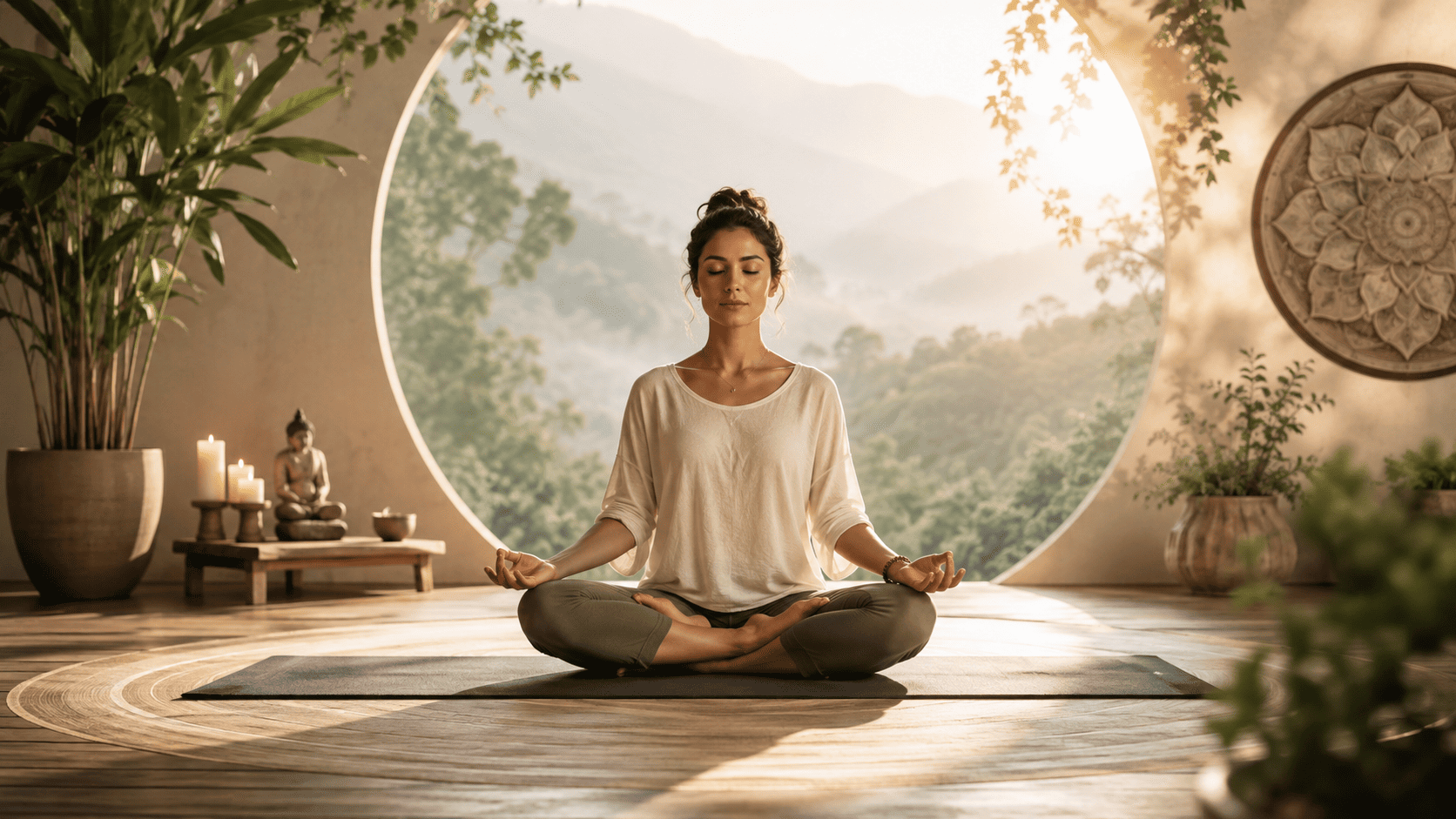
The 8 Limbs Of Yoga: A Complete Path Beyond The Poses
Many people first experience yoga through movement. A class may include breathing, physical postures, and a few moments of rest. Yet the poses are only one part of a wider system for living with greater awareness, steadiness, and care.
The 8 limbs of yoga are Yama, Niyama, Asana, Pranayama, Pratyahara, Dharana, Dhyana, and Samadhi. Described in Patanjali’s Yoga Sutras, these practices explore how we relate to others, care for ourselves, work with the body and breath, direct attention, and enter meditation.
What Are The 8 Limbs Of Yoga?
The Sanskrit word Ashtanga combines ashta, meaning eight, with anga, meaning limb. Patanjali lists the eight limbs in Yoga Sutra 2.29 as part of a path toward clearer perception and greater freedom from habits that disturb the mind.
The limbs are traditionally presented in this order:
Yama: Ethical principles
Niyama: Personal observances
Asana: Steady physical posture
Pranayama: Breath and energy regulation
Pratyahara: Turning attention inward
Dharana: Focused concentration
Dhyana: Sustained meditation
Samadhi: Meditative absorption
The limbs have an order, but they are not simply levels to complete. They support one another throughout practice.
1. Yama: How We Relate To Others
Yama refers to ethical principles that guide our relationships with others and the wider world.
The Five Yamas
Ahimsa means nonviolence. It includes physical safety, compassionate speech, and the way we speak to ourselves.
Satya means truthfulness. Guided by nonviolence, it asks us to notice avoidance, people-pleasing, and the stories we repeat without examining them.
Asteya means non-stealing. It includes respecting possessions, time, attention, ideas, and credit.
Brahmacharya means moderation or wise use of energy. It encourages boundaries around habits and relationships that leave us depleted.
Aparigraha means non-grasping. It invites us to loosen attachment to objects, identities, expectations, and outcomes.
2. Niyama: How We Relate To Ourselves
Niyama concerns the practices that support clarity, contentment, steady effort, reflection, and surrender.
The Five Niyamas
Saucha means cleanliness or clarity. It includes caring for the body, surroundings, and what we consume mentally.
Santosha means contentment. It recognizes what is present without accepting harm or making peace dependent on the next achievement.
Tapas means disciplined, transformative effort. Healthy discipline creates steadiness without becoming punishment or force.
Svadhyaya means self study. Journaling, reading spiritual texts, and noticing recurring patterns are all forms of svadhyaya. This principle is central to manyteacher training programs, where philosophy is connected with lived experience.
Ishvara Pranidhana means surrender. It may involve devotion, humility, trust, or releasing the need to control every result.
3. Asana: A Steady And Comfortable Posture
Asana is the limb most familiar to modern students. Today it can refer to many physical poses, but Patanjali describes posture through the qualities of steadiness and ease.
This shifts the goal away from performing an impressive shape. A supportive posture helps us inhabit the body, notice sensation, and prepare for stillness. Props, seated options, rest, open eyes, and personal choice can all belong within an accessible, trauma-informed practice.
4. Pranayama: Working With Breath And Energy
Pranayama is commonly described as breath regulation, but it also relates to prana, the vital energy associated with life and movement. Practices may change the pace, length, or rhythm of breathing.
The breath can bridge body and attention. Natural breathing, open eyes, shorter practices, and permission to stop are valid choices when more intense techniques feel activating.
Pranayama does not need to become a test of endurance. A supportive practice honors the body’s signals and allows each person to participate with agency.
5. Pratyahara: Turning Attention Inward
Pratyahara is often translated as withdrawal of the senses. It does not necessarily mean blocking sound or sensation. It describes changing our relationship with sensory input so every notification, craving, or passing image no longer directs attention.
Eating without a screen, sitting quietly before checking a phone, or noticing a sound without following it can all support pratyahara. Turning inward creates space to recognize what is happening before reacting automatically.
6. Dharana: Focused Concentration
Dharana means holding attention on one chosen point, such as the breath, a mantra, a candle flame, a sound, or a physical sensation.
Distraction does not mean the practice has failed. Each time the mind wanders and gently returns, concentration is strengthened. Regularonline yoga and meditation classes can offer supportive structure without turning attention into another performance standard.
7. Dhyana: Sustained Meditation
Dhyana is a more continuous flow of meditative awareness. Dharana involves repeatedly bringing attention back. In dhyana, attention becomes steadier, with fewer interruptions dominating the experience.
Meditation does not require an empty mind. Thoughts may still arise, but they are less likely to carry awareness into every story. The practitioner becomes more able to notice them without immediately following them.
8. Samadhi: Meditative Absorption
Samadhi is the culmination of the meditative limbs. It is often described as absorption or integration, in which the usual separation between observer and object becomes less dominant.
It should not be reduced to relaxation or a dramatic spiritual experience. Samadhi points toward clearer perception with fewer habitual judgments shaping the moment.
Dharana, Dhyana, and Samadhi are sometimes collectively called Samyama. Together, they describe the movement from deliberate concentration to sustained meditation and deeper absorption.
The Eight Limbs And Ashtanga Vinyasa Yoga
The word Ashtanga can create confusion. Patanjali’s Ashtanga refers to the eight-limbed philosophical path. Ashtanga Vinyasa Yoga is a modern physical practice built around structured sequences of postures.
They belong to the wider yoga tradition, but they are not identical.
Programs such asKundalini Yoga Teacher Training revisit the limbs through philosophy, meditation, breath, ethics, accessibility, and practical teaching rather than treating yoga as movement alone.
How To Practice The 8 Limbs Every Day
The eight limbs do not require an elaborate schedule. A meaningful practice can begin with a few intentional choices woven into ordinary life.
In the morning, choose one Yama or Niyama for reflection. Sit in a position that supports steadiness, then spend several minutes observing the natural breath.
During the day, notice when external stimulation fragments attention. Pause before reacting, return to one task, and consider whether your words reflect both truthfulness and care.
In the evening, reflect without turning self study into self judgment. Spend a few minutes concentrating or meditating, then release the need to decide whether the practice was successful.
Practicing Without Perfectionism
The eight limbs are not a checklist for proving spiritual worth. Practice may reveal uncomfortable patterns before it feels peaceful.
A compassionate approach allows adaptation. Discipline can coexist with rest. Surrender can coexist with purposeful action. Contentment can coexist with a desire for justice and change.
Respect for yoga’s Indian roots also matters. The limbs belong to a philosophical tradition, not a collection of isolated wellness tips.
The Eight Limbs At Yoga Farm Ithaca
Yoga Farm Ithaca brings yoga philosophy into relationship with accessible movement, meditation, community, and inspired service. Itsnonprofit mission centers on reducing financial and cultural barriers to healing practices while creating inclusive spaces for personal growth.
The eight limbs support this wider understanding of yoga. Practice includes how we speak, how we use energy, how we respond to sensation, and how we care for ourselves and others.
No single limb needs to be mastered before the path becomes meaningful. One honest act, one conscious breath, or one moment of steady attention is already a way of bringing yoga into life.
Frequently Asked Questions
The following answers address common questions about Patanjali’s eight-limbed path and how it relates to modern yoga practice.
What Are The 8 Limbs Of Yoga In Order?
They are Yama, Niyama, Asana, Pranayama, Pratyahara, Dharana, Dhyana, and Samadhi. Together, they cover ethics, personal practice, posture, breath, sensory awareness, concentration, meditation, and absorption.
Who Created The Eight Limbs Of Yoga?
The framework is attributed to the sage Patanjali and appears in the Yoga Sutras, particularly Yoga Sutra 2.29. Patanjali organized yogic teachings into a concise philosophical system.
Do The Eight Limbs Have To Be Practiced In Order?
They can be viewed as a progressive path, but they also support one another. A student may practice ethics, movement, breath, and meditation together.
Which Limb Of Yoga Is Meditation?
Dhyana is the limb most directly associated with meditation. Dharana develops concentration before it, while Samadhi describes deeper meditative absorption.
Is Ashtanga Yoga The Same As The 8 Limbs?
Ashtanga literally means eight limbs, so Patanjali’s path is often called Ashtanga Yoga. Modern Ashtanga Vinyasa Yoga is a specific posture based system and is not the same as the full eight-limbed framework.
Can Beginners Practice The Eight Limbs?
Yes. A beginner can start by reflecting on one ethical principle, choosing a comfortable posture, observing the natural breath, and practicing a few minutes of focused attention.